Metroid Samus Returns 3DS Video Game Review
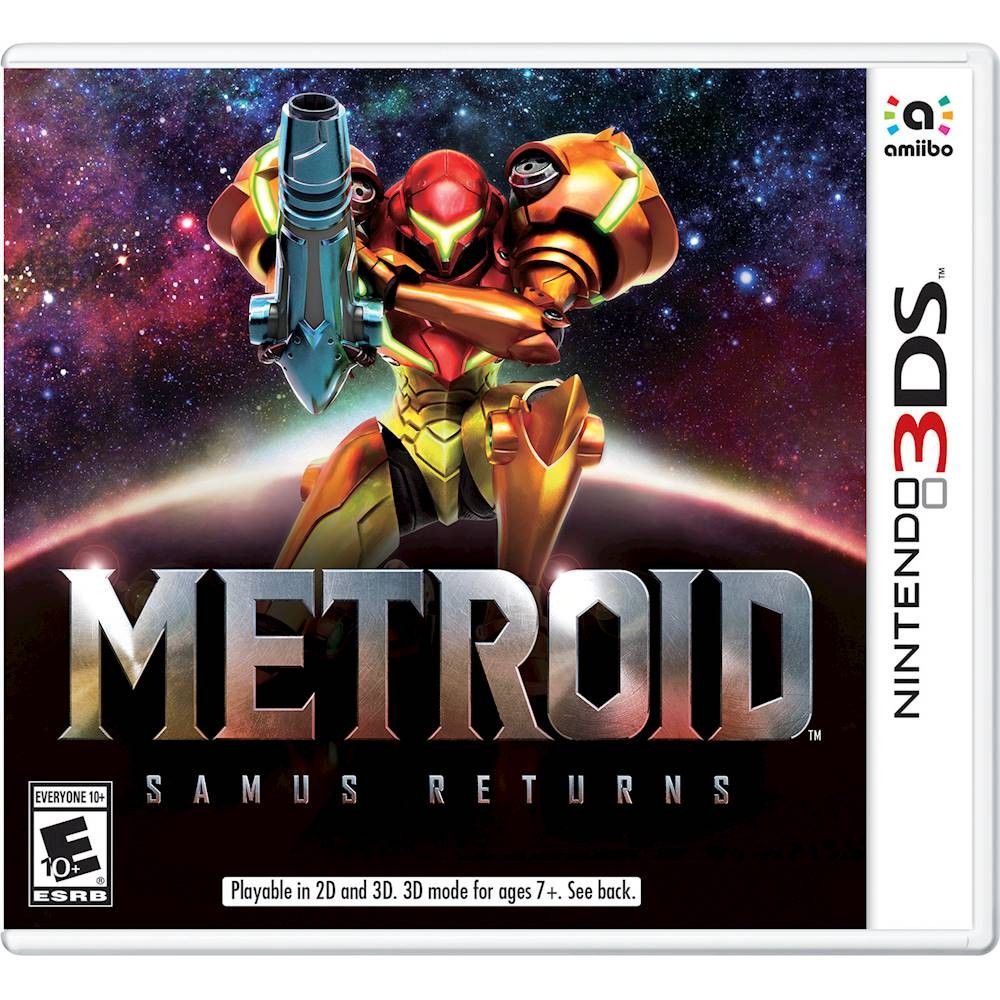
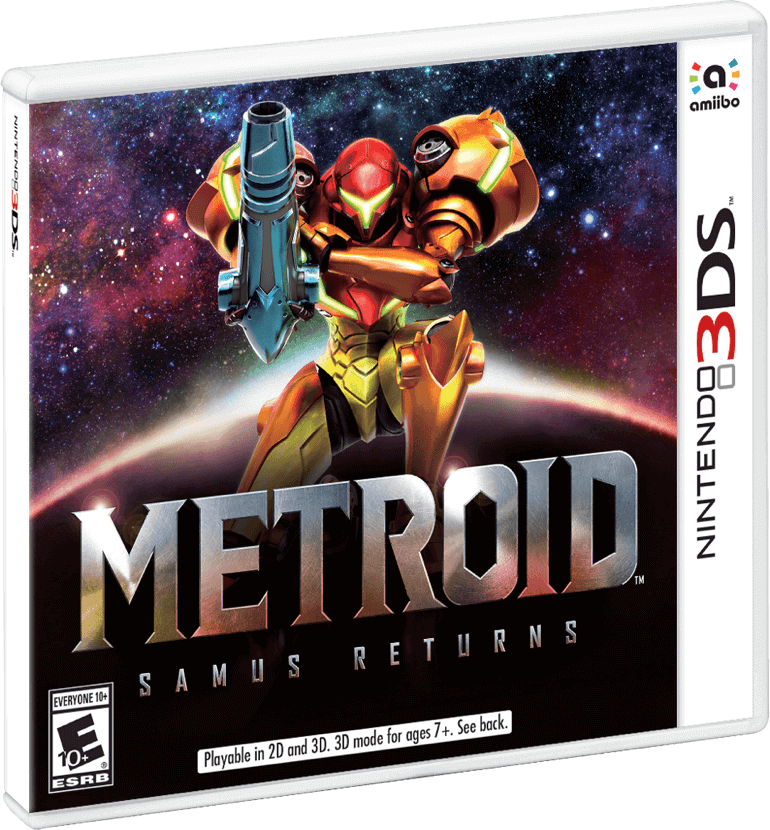
Metroid Samus Returns
3DS Video Game Review
Written By: Adolph Vega
3D


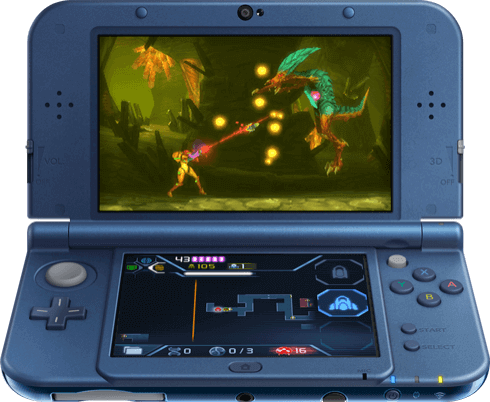




Sometimes when you play a game on the Nintendo 3DS, the stereoscopic 3D visuals look so nice that you never want to play that game in 2D. This game is a perfect example of that. The 3D visuals do two very specific things to this game. The first thing the 3D does is to make the game look sharper and more vivid. Whenever you play a Nintendo 3DS game in 3D the top screen changes and it essentially doubles the resolution of the game. Usually you don't notice the bump up in resolution, but in this game it definitely looks crisper and nicer when playing it in 3D. The second thing the 3D does is to give the player depth based 3D visuals. The graphics in the game are fully rendered with 3D polygons and geometry that really compliment the stereoscopic 3D. The game is played on a 2D plane, and the 3D allows the player to peer into the vast backgrounds of the various locations. The 3D creates a impressive diorama effect with many upon many layers of 3D depth . The 3D depth really bring this games world to life. Sometimes the environments within this game are rendered in a way where parts of the environment will appear closer to the player than other parts of the world. The level design and 3D visuals often compliment each other to make for a rich visual experience. One example of this is an area that has a pool of water in it. The player has to navigate within the water and this pool is a collection from a river that goes deep into the background. Rarely the game uses pop out 3D. This pop out 3D happens when you defeat some enemies, and they explode. The splattered body parts will briefly fly out of the screen. This pop out 3D is gimmicky but it is satisfying and fun to see. In one specific boss battle several elements of this enemy actually move in between the layers of 3D depth and it looks fantastic. This game is meant to be played in 3D and if you don’t play it in 3D you are doing yourself a disservice. Occasionally the 3D graphics may cause some visual hiccups in the smooth frame rate of the game. These hiccups are minor and they aren't too distracting. Overall the 3D dramatically enhances the visuals of this game and really drew me into the gameplay. I played this game 99% on the highest 3D setting and the 1% in 2D. The 3D within this game is so fantastic, that I can easily recommend it to anyone. The 3D element of this game is some of the best stereoscopic 3D that the Nintendo 3DS has ever showcased, and without hesitation I give it my highest recommendation.
Final Verdict: Great 3D, Editor’s Choice 3D Award

Video Game

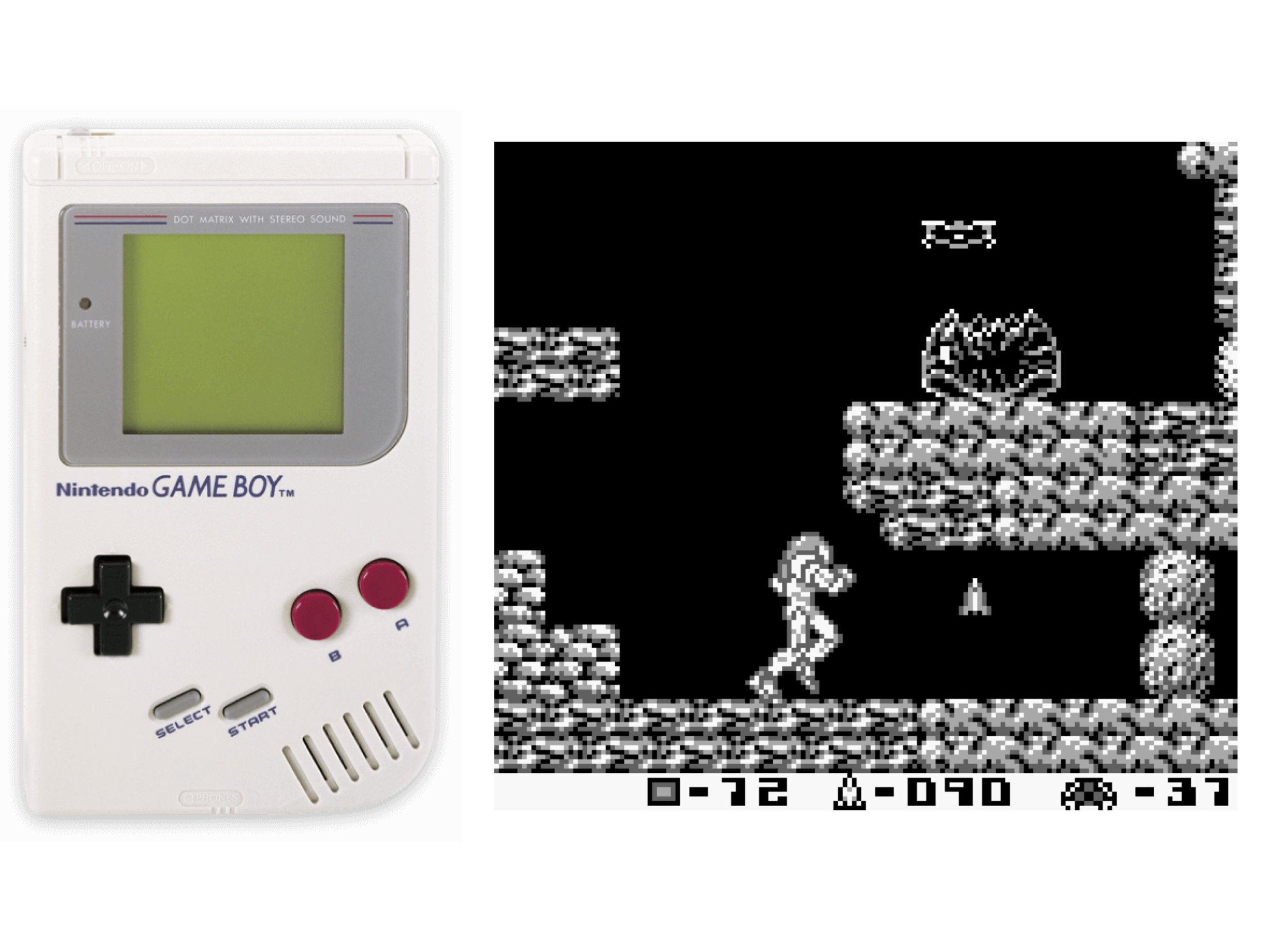
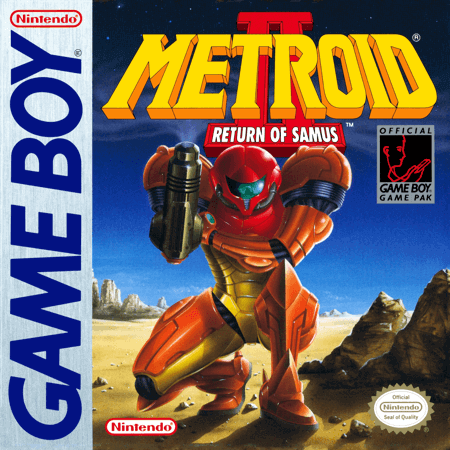
The "Metroid" video game franchise is a fan favorite . Before I get into this specific game, I want to briefly go over the Metroid video game franchise, and what makes it so special and compelling. I have enjoyed Metroid video games since the original. The original Metroid was released in 1986 on the Nintendo Entertainment System (NES) . The original Metroid was a fairly revolutionary video game for its time . Other platformers released in that era only allowed the player to scroll from left to right . In Metroid you could go left , right , up and down and fully explore a huge environment . The sequel to the original Metroid video game was “Metroid 2: The Return of Samus”, and it was originally released on the Nintendo GameBoy in 1991. Metroid 2 was limited by the hardware that it was on, but it did an decent job of continuing the franchise. “Samus Returns” is essentially an enhanced remake/reboot of that 1991 game. The secret sauce that makes the Metroid games so successful is based on two things, exploration and empowerment. The main gameplay loop of the Metroid franchise revolves around the player exploring large environments and upgrading their gear to further explore the environments. Your main weapons are projectile based, and you can upgrade them to increase your killing power and to help you further explore. You can also gain new abilities to help you explore. For example you can find the ability to turn your character into a small ball. The ball form can help you reach parts of the environment that you couldn’t access before. This gameplay cycle is incredibly rewarding and is part of the reason this game franchise has been so beloved by the fans. When you complete a Metroid game, the main character, Samus Aran, is dramatically more powerful than when you started the game. Samus Aran (The main character you play as) is also one of the earliest strong female protagonists in a video game series. Samus Aran is a powerful character and is fairly interesting main protagonist. The gameplay mechanics of the Metroid games are often mimicked and replicated in other video games because it’s so enjoyable and rewarding for the player. The mainline Metroid games are rare releases from Nintendo so they are coveted by the fans.

'Samus Returns' introduces and changes many core aspects of the familar Metroid gameplay. The biggest change is the lack of a dedicated map. Maps have been a key aspect of helping the player explore the various locations in the games. This game takes away dedicated maps and instead automatically fills in a makeshift map as you explore the games world. Not having a dedicated map resembles how the original Metroid 2 was back in 1991 . This game features a new ability that essentially scans the environment and fills in the details of your makeshift map. However it must be noted that using this method will also show you locations of items and areas of the environment that can be destroyed. In some ways using this scanner ability spoils some of the exploration elements of the game. This feature is optional, but it is useful if the player ever needs assistance. The game also offers a new free aim feature that gives the player the ability to have very precise controls when firing weapons. This free aim mode is a wonderful addition and is well implemented. It makes so much sense; often I wondered why the previous Metroid games never had this feature before. The game also offers the new ability to inflict a melee attack on your enemies by counter their attacks. These melee attacks are dependent on timing and skill of the player to read the animations and actions of the enemies and act accordingly. Some enemies can ONLY be defeated by correctly countering their attacks with a melee attack. This melee ability is something the player needs to master to be successful in the game, and it can be difficult to get used to. I enjoyed this melee attack concept and found it very satisfying whenever I successfully countered an enemy’s attacks and dealt massive damage. The game rewards the player for successful melee attacks with in-game action cutscenes where Samus does special moves. These action cutscenes are exciting to watch and are a fun addition to the game. The game offers other new abilities, but for the sake of spoilers I won’t mention them. The only thing I want to say about those other new abilities is that they are interesting gameplay ideas that are sadly underutilized. Overall the gameplay changes are smart and push the series forward.
The game also introduces a control method that is different from what you might expect from other traditional 2D side scrolling Metroid games. You control Samus with the analog stick and not with the control pad. All the previous 2D side scrolling Metroid games have used the control pad for movement and this game uses the control stick input instead. The control pad is to used to activate the new special abilities. Toggling on/off the missile launcher is done with the R button and free aim is done with the L button, and firing the missiles is done with the Y button. This button combination can be ackward to accomplish for the player. The controls for this game definitely have a learning curve. I wish the game offered options to fully customize your controls or to use the additional control inputs that are included on the NEW 3DS hardware in meaningful ways. The controls overall are strange, but work perfectly well once you get used to them.


The story for this game follows Samus Aran as she travels to a planet called SR388. Samus’s mission on this planet is to kill off all the Metroids. Metroids are flying parasitic creatures that have been wrecking the galaxy. It is a little strange to play a video game where your main objective is to cause the complete and total extinction of a species. The game never lingers on the twisted macabre elements of the story. The story element is minimal and it bookends the game with minor cut scenes. In this game you won’t be reading texts of lore, watching full motion video cut scenes, or talking to other characters. This game is fundamentally a solitary genocidal adventure. As you explore the environment, you will encounter statues that are surrounded by pools of acid. This acid will severely damage and kill the player if you attempt to transverse within it. Once you kill all the Metroids in the given area and return to the statues, the pools of acid will recede and allow for further exploration. This cycle of killing Metroids continues until the you extinguish them all from the planet and obliterate the queen Metroid. The game isn’t as violent or dark as it seems, but it is interesting to think about the deeper concepts the game dives into. Several Metroid games directly explain the fallout from this game so it’s definitely fun to return to this important game in the Metroid franchise. That being said prior experience in the Metroid game franchise is not needed to enjoy this game. Going back to the game, as you explore the environments the game also has statues that give the player new powers and abilities. Some statues can recharge the missile or energy tanks for the player. Some statues can even be used to teleport to other places in the world map. Teleportation around the environments is a new and welcomed addition to the franchise. Teleportation speeds up progress and makes the game flow better and reduces backtracking . The player will still need to backtrack because certain areas cannot be explored until you acquire certain abilities or weapons. As you explore SR388 and exterminate all the Metroids, you will notice the remaining Metroids will become more powerful and adapt to their surroundings. The game does a nice job of providing distinct environments and a variety of creatures to interact with. At times the gameplay can become repetitive, but the game always finds new ways to challenge and intrigue the player. The game does a fabulous job of guiding the player to the next objectives, but also allowing for natural exportation. Getting lost is part of the game, and it's very rewarding to discover all the secrets within any given environment. I love exploring this world and found it very addicting as I always wanted to see what was lurking around the next corner. I also enjoyed the visceral, cathartic feelings this game provided as I hunted and defeated each Metroid one by one. The game offers a counter, so you know how many are left, and it becomes very satisfying to know that only one Metroid is left in the given area. I also appreciate the game keeping things simple and not overloading the player with unnecessary story and plot. This game is about exploring and killing Metroids, and it does both of those two elements well.



The game supports Nintendo Amiibo™ figures in interesting and substantial ways. Amiibo™ are small toys or statues of various characters that have NFC (Near Field Communication) chips built in that can be used to unlock additional features within specific Nintendo games. All of the Metroid Amiibo™ figurines (4 total) are supported within this game and can be scanned in for additional exclusive features. To scan the Amiibo into the game you will need either the NEW 3DS/NEW 2DS XL hardware or the Amiibo™ scanner which is sold separately and is made for the older 3DS models. Some figures give the player additional supplies that are a permanent addition to the gameplay. These additional supplies (energy and missile tanks) are used like emergency supplies, that are not activated unless you completely deplete your standard supplies. Using Amiibo™ gives the player a nice advantage within the game . The gameplay is somewhat easier and provides a different and distinct experience for the player. In several occasions the extra supplies helped me defeat a few tougher enemies. For the purposes of this review I played about half the game with the Amiibo™ functionality on and half without. I enjoyed the game more with the Amiibo™ functionality activated. The player can also unlock exclusive art galleries with Amiibo™ that can be viewed after you completed the game. One Amiibo can help you find the location of the Metroids within the game. The game also has additional difficulty mode called the "fusion mode" that can only be unlocked with a specific Amiibo™ figure. I like the idea that these figures do something interesting within the game, but I wish the game had options to unlock these features without the need of purchasing these figures. To purchase all the Metroid Amiibo™ it would cost the player at least $55 (before taxes) and the game doesn’t include any of them. Some of the Amiibo™ maybe difficult to find, so it's unfair to give certain players more features and advtages that are exclusive to owning a specific figure. Nintendo could have made the fusion mode be unlocked either by scanning in the Amiibo™ or by completing the game on the hard difficulty. The Amiibo™ features fundamentally change the gameplay and it’s asking allot of the player to need to invest nearly $60+ in Amiibo™ to have full access to all the features within the game. The Amiibo™ functionality is totally optional for the player to use. I enjoy the features the Amiibo™ unlock but I have compassion for the players who cannot afford to purchase all the Amiibo™. It’s just not fair to lock up many interesting features behind a artificial paywall. Hopefully Nintendo will include the option to unlock these exclusive features in different ways in a potential future software update. I really wish Nintendo could have implemented the Amiibo™ functionality better within this game.
The game is much harder in difficulty than I expected it to be. The higher default difficultly decreased my overall enjoyment with the game. The game is difficult by choice and is aggravating at times. Many smaller simpler enemies are bullet sponges and will take several blasts to destroy. It takes way too long to defeat boss creatures, and it at times feels tedious. I have played a vast majority of the Metroid games, so I consider myself a veteran player, and I still found this game to be too difficult . I imagine that many players may become turned off by the higher difficulty and not complete the game. Experience and personal skill isn't the issue, the issue is that too many enemies need too many hits to be defeated. The difficulty of this game feels arbitrary and artificial. The original Metroid 2 game also had this problem, so I suppose it's referencing that element, but I have to question to why intentionally repeat the same mistake twice? I have no problem with difficult games and I have enjoyed many challenging games in the past, but this game just became annoying to play because of the difficulty. The difficulty gives the player the feeling of being underpowered which is counterproductive for this franchise. The difficulty mutes the power of the upgrades the player receives. The robot boss and the final boss both take too much damage to defeat and become a chore to battle. This experience is all from the "normal" difficulty setting, I don't want to even try the "Hard" or "Fusion" modes, which make the gameplay even more difficult. Sadly, the game feels difficult for the sake of being difficult, and hurt my enjoyment of the game.
For the Nintendo 3DS, the game looks fantastic and sounds great. The frame rate can occasionally skip a beat, so it's not an entirely silky visual performance, but overall it runs fine. The character models look crisp, and I enjoyed how varied the environments were. The music matches the atmosphere of the levels and sounds great. The Metroid franchise has always had fantastic musical compositions and this game is no different. If you purchased the “Special Edition", it comes with a musical CD that has all the tracks from the game and many more songs from the various Metroid games . I often listen to this CD because the music is so well done.
Overall I really enjoyed this entry within the Metroid franchise. This remake continues many of the elements of the original GameBoy game, but updates them and makes for a vastly superior experience . This is a fantastic way to remake a video game, and it’s a shame that the difficulty hampers this excellent game. The way the game uses Amiibo™ is also annoying and is an obvious cash grab by Nintendo. I have been wanting a traditional 2D Metroid game on the Nintendo 3DS for many years’, and this game delivers a great experience that is both new and familiar and it shouldn’t be missed.
Final Verdict: 9/10
© 2017 Nintendo. Metroid and Nintendo 3DS are trademarks of Nintendo.