
Hoppers 3D Movie Review
Hoppers
3D Movie Review
Written By: Adolph Vega

3D
Hoppers delivers solid 3D overall, even if it once again feels like Disney is holding back from fully embracing the format.
The movie features several sequences that make good use of 3-D depth, particularly when showing large environments or distant landscapes. These moments create a convincing sense of scale and space that helps immerse the viewer in the world.
There are also a handful of 3D pop-out effects scattered throughout the film. Various sticks, hands, and other objects occasionally extend slightly off the screen, adding some fun moments of dimensional interaction without becoming overly aggressive.
A few scenes stand out as the most notable uses of the 3-D aspect. An early sequence involving a turtle looks especially good in 3D, with the depth and staging helping sell the environment around the character. Two different dam sequences make effective use of the camera as it moves around the action, creating some nice spatial movement that benefits from the stereoscopic presentation.
There is also a car chase sequence that looks particularly strong in 3D. The movement of vehicles combined with the shifting camera angles creates a convincing sense of speed and depth that works very well with the format.
The film also includes occasional floating effects, where small elements drift through the 3D space. Butterflies and similar objects appear at different depths, adding subtle layers to the scenes.
Water is another area where the 3-D works particularly well. Bubbles have convincing dimensionality, and one scene near the end features water rushing toward the screen in a way that feels exciting and clearly benefits from being presented in 3D. The 3D pulls you into the scene and makes the water look genuinely scary, which works well for that moment.
Not everything works perfectly, however. One darker scene suffers from noticeable ghosting, which becomes distracting and briefly breaks the immersion. The movie also has a few darkly lit moments where the 3-D effect feels somewhat limited.
Overall, the 3D presentation is very good, but it still feels like Disney is playing it safe with the 3-D aspect of Hoppers. The film shows that the format can enhance the experience, yet it rarely pushes the effects as far as it could.
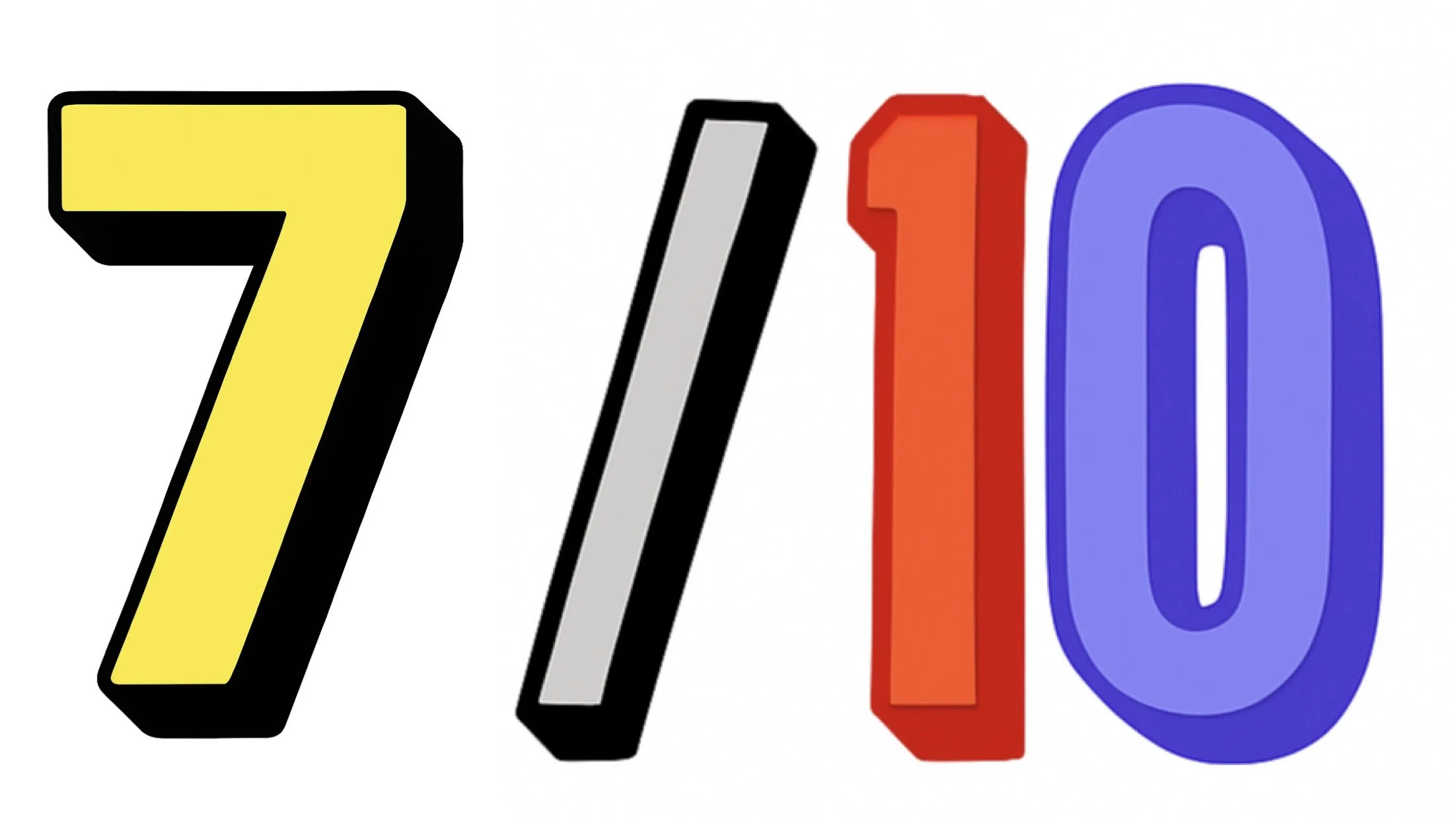
Final 3D Score: 7/10
Movie
Hoppers feels like a blend of old and new Pixar. On one hand, the studio’s classic creativity is present with a strange and imaginative premise. On the other hand, the final product feels closer to some of Pixar’s more recent, less-than-stellar output—interesting ideas that don’t quite come together in a satisfying way.
The story centers on Mabel, a girl who loves animals and eventually finds herself able to exist inside a robotic animal body. Through experimental “Hopper” technology, she talks to and gains the trust of the animals and tries to persuade them to help her mission. Mabel wants to stop the construction of a beltway through land she feels emotionally connected to.
Mabel herself ends up being one of the weaker aspects of the film. She is portrayed as passionate and determined, but her behavior often crosses into reckless, headstrong, and annoyingly arrogant territory. Throughout the movie she makes extremely questionable decisions and often acts without thinking through the consequences. The story occasionally hints that there may be repercussions for her actions, but those consequences feel more like teases than anything of substance. Instead, she largely gets away with everything she does (even the bad stuff), which makes her harder to root for and ultimately makes her a bit annoying as the central character.
We never learn why Mabel has such a strong connection with animals. As an audience we understand why a specific grove has emotional importance for her, but the movie never explains why animals resonate so strongly with her in the first place. This is a critical aspect of her character that is ignored.
It’s an intriguing setup with plenty of potential, but the film moves at such a fast pace that it often feels like 10–30 minutes of story may have been cut, leaving several ideas introduced but never fully explored. Scenes move by so quickly that the movie rarely slows down long enough for moments to breathe. Ironically, this rushed pacing clashes with one of the film’s core themes about slowing down and appreciating the moment. By the time the story reaches its conclusion, the resolution feels a little too convenient and the emotional payoff never fully lands, leaving the ending feeling less earned than it should.
The movie also struggles with some of its story logic. Several elements of the plot feel underdeveloped or inconsistent. For example, at one point the film mentions how dangerous it is to remain inside the robotic animal body for extended periods of time, yet that idea is never fully paid off. It’s introduced as if it will become an important plot point, but the story ultimately moves past it. The robotic bodies themselves are also very inconsistent. At times they appear fragile and vulnerable, while in other moments they seem incredibly durable and capable of withstanding far more punishment. The movie seems to shift their limitations depending on what the scene requires, which further contributes to the sense that the rules of this world were never fully thought through.
Another aspect that raised questions is the way animals communicate in the movie’s world. The film suggests that all animals understand each other regardless of species. Mammals, birds, fish, and insects all appear to communicate seamlessly. While it’s easy enough to accept animals of the same species understanding each other, the idea that every creature shares the same language stretches the logic quite a bit. Shouldn’t the animals have their own grammar and naming conventions for things? The robotic animal body also seems capable of instantly translating and speaking with all of them, which raises even more questions about how the system works. The animals even use human-style naming conventions like “deer dens” or “beaver kits”, which is an interesting detail but further highlights how loosely defined the rules of the world really are.
Of course, this is still an animated movie (aimed for kids) and some suspension of disbelief is expected. However, the film leaves behind enough unanswered questions that it becomes difficult not to notice the inconsistencies (and be bothered by them). The rules of this world are never fully explained, and several aspects of how things work simply don’t make complete sense. It ultimately feels like Pixar had a strong concept but didn’t fully think through how all the pieces of the world should function together. There’s enough plot for an interesting and engaging movie, but it still feels like the story and world should have been deeper. The lore isn’t fully developed—which leads to several potential plot holes and missing details about how this world actually works.
The animation in Hoppers is excellent, with detailed environments and expressive characters that continue Pixar’s high technical standard. The fur on the animals looks especially beautiful and realistic, adding a lot of texture and personality to the characters. Water effects also look fantastic throughout the film, and the forest environments are particularly gorgeous, with lush locations that make the setting feel vibrant and alive. I especially liked how the characters’ eyes transform for different purposes in certain scenes. Visually, Hoppers is a top notch animated film.
The humor also leans slightly darker and more twisted than typical Pixar comedy, which adds some personality and works surprisingly well. Kids will likely enjoy the frantic energy and the emoji-style jokes scattered throughout the film. The movie flows well and I do like the vast majority of the characters (not Mabel). I appreciated the sincerity of some characters, and despite my complaints in this review, I still found the film entertaining and enjoyable.
The music choices in the film are decent but not particularly memorable. The film includes some new original songs, which is appreciated, but they don’t always feel like a perfect match for the tone of the movie. Some older songs are intermixed with the plot elements as well. Overall the music and score are weak enough to slightly hurt my enjoyment of the film.
The film carries themes about nature, empathy, unity, and understanding the world beyond our own perspective, but it doesn’t quite stick the landing. The film doesn’t feel preachy in any way, but it does feel like they couldn’t decide on a theme to stick to. The resolution feels a little too convenient and the emotional payoff never fully lands, leaving the ending feeling less earned than it should. The movie clearly wants the audience to cry at multiple points, but it comes across more like blatant emotional manipulation rather than something truly earned. The various plot inconsistencies and unanswered questions also muddy the themes and morals the film tries to portray.
In the end, Hoppers has an interesting premise with flawed execution. The film has strong animation and several entertaining moments, but the rushed pacing, uneven storytelling, and underdeveloped ideas hold it back from reaching its full potential. Ultimately, as I walked out of the theater, Hoppers left me feeling a bit cold and unsatisfied.
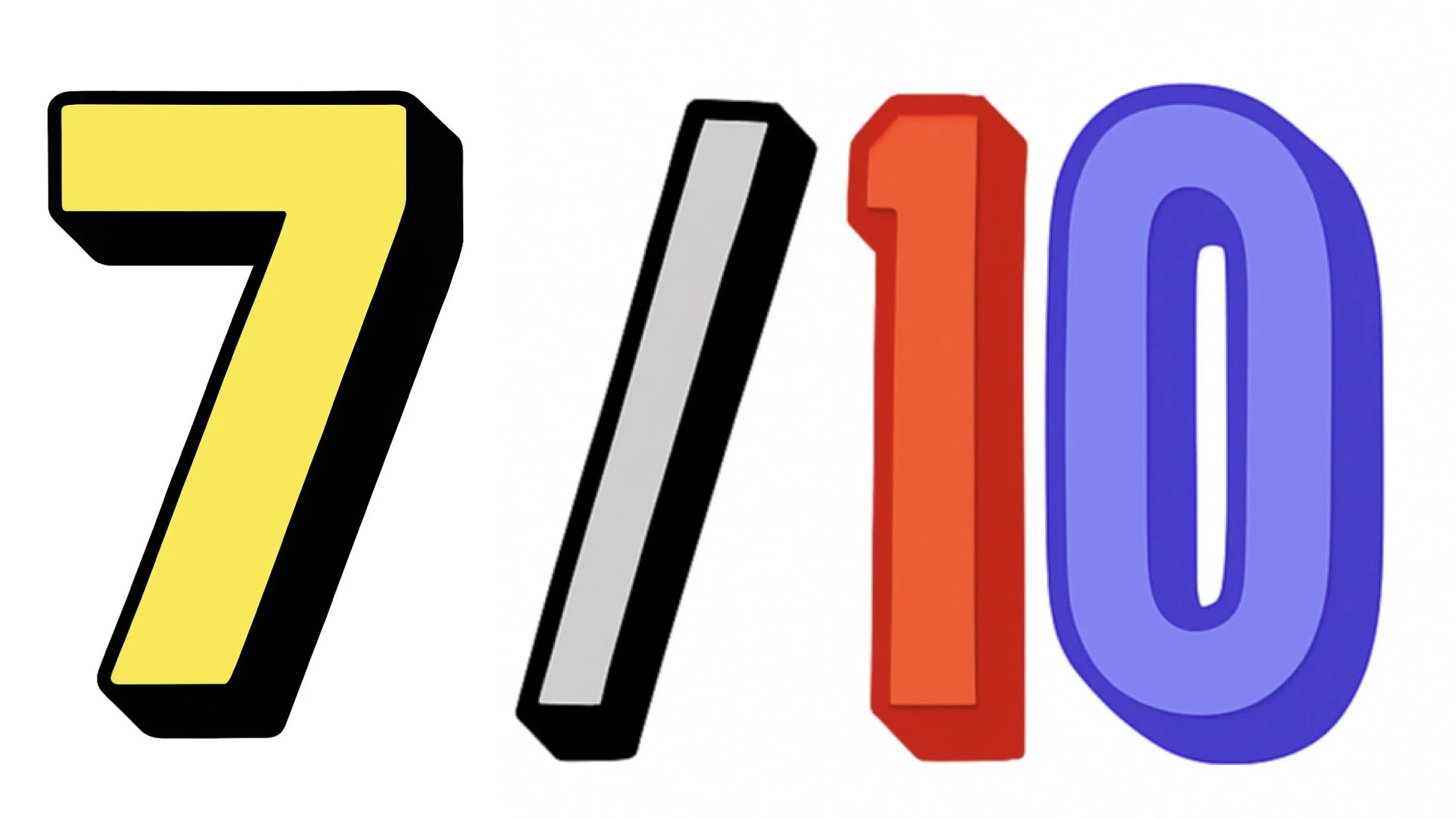
Final Movie Score: 7/10
Learn more about how we rate 3D content via the link below: